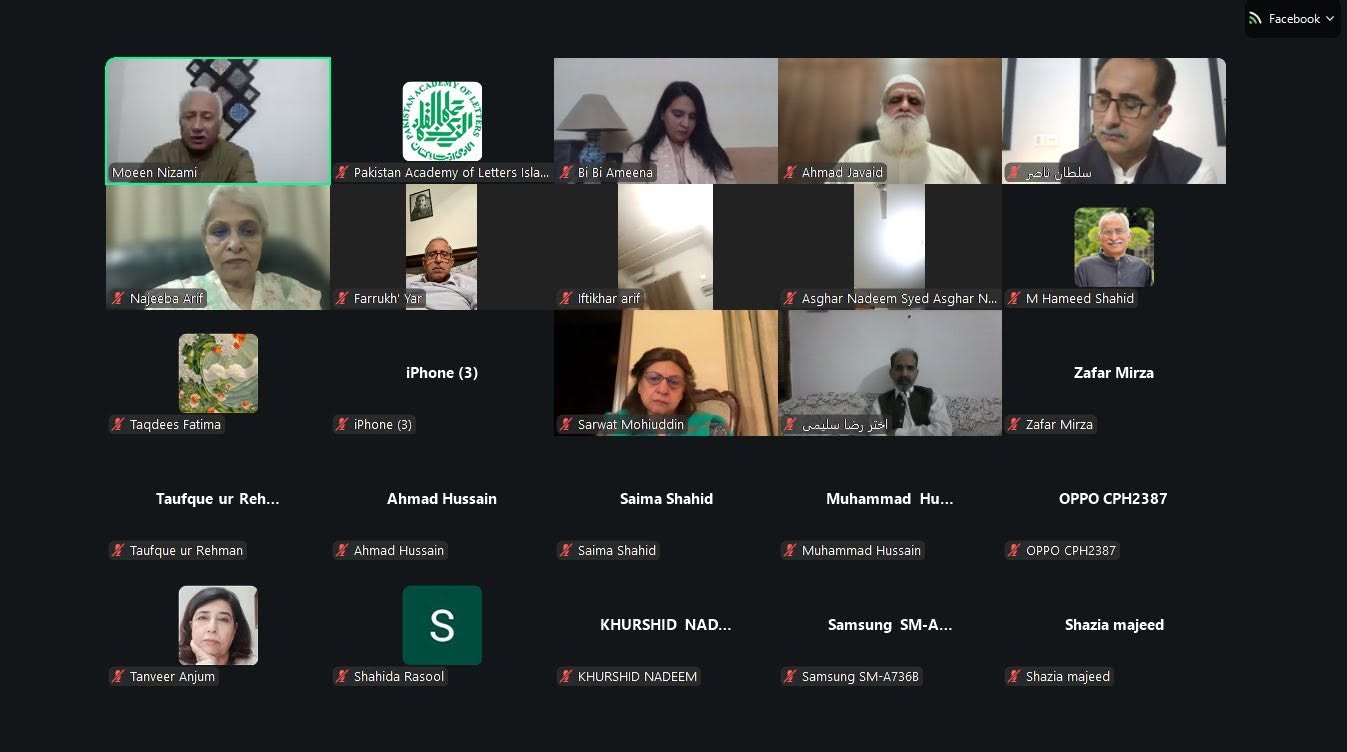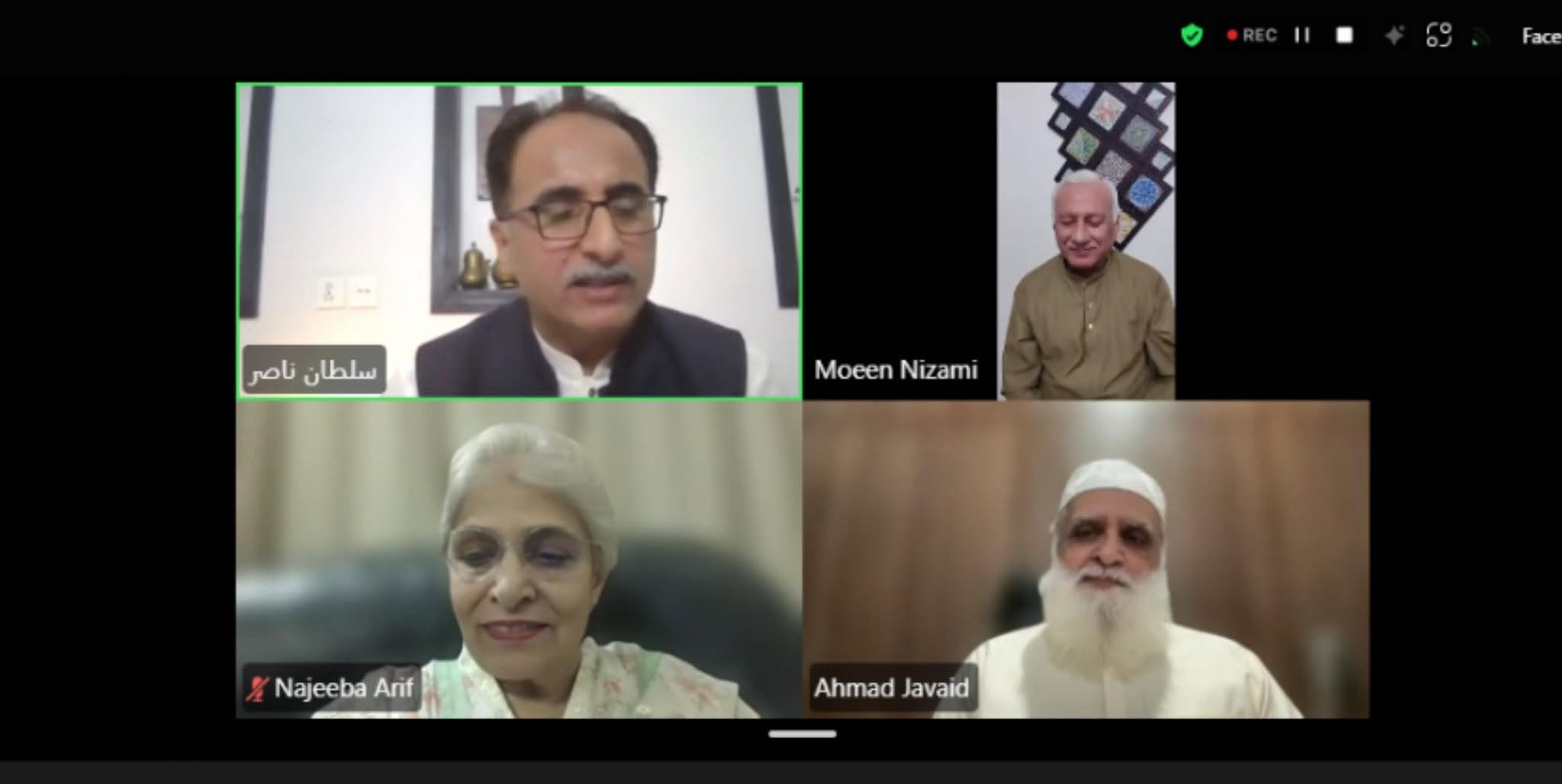

Islamabad (PR): Under the auspices of the Pakistan Academy of Letters, the third session of its Extended Keynote Lecture Series, titled “The Poetic Tradition of Urdu and Sufism,” was held online through Zoom and Facebook Live. Scholars, writers, researchers, teachers, and students from across Pakistan and abroad participated enthusiastically in this academic event.
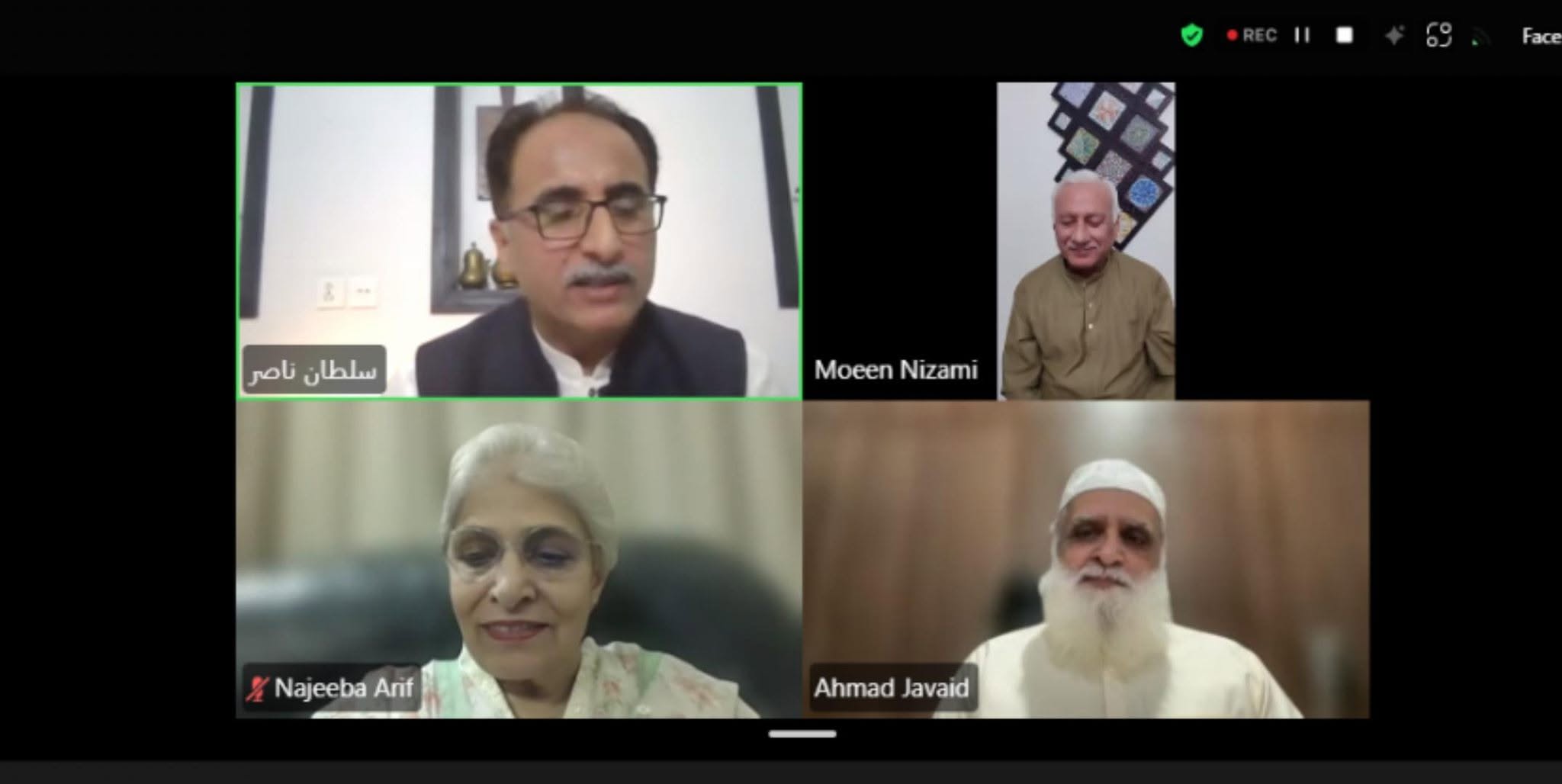
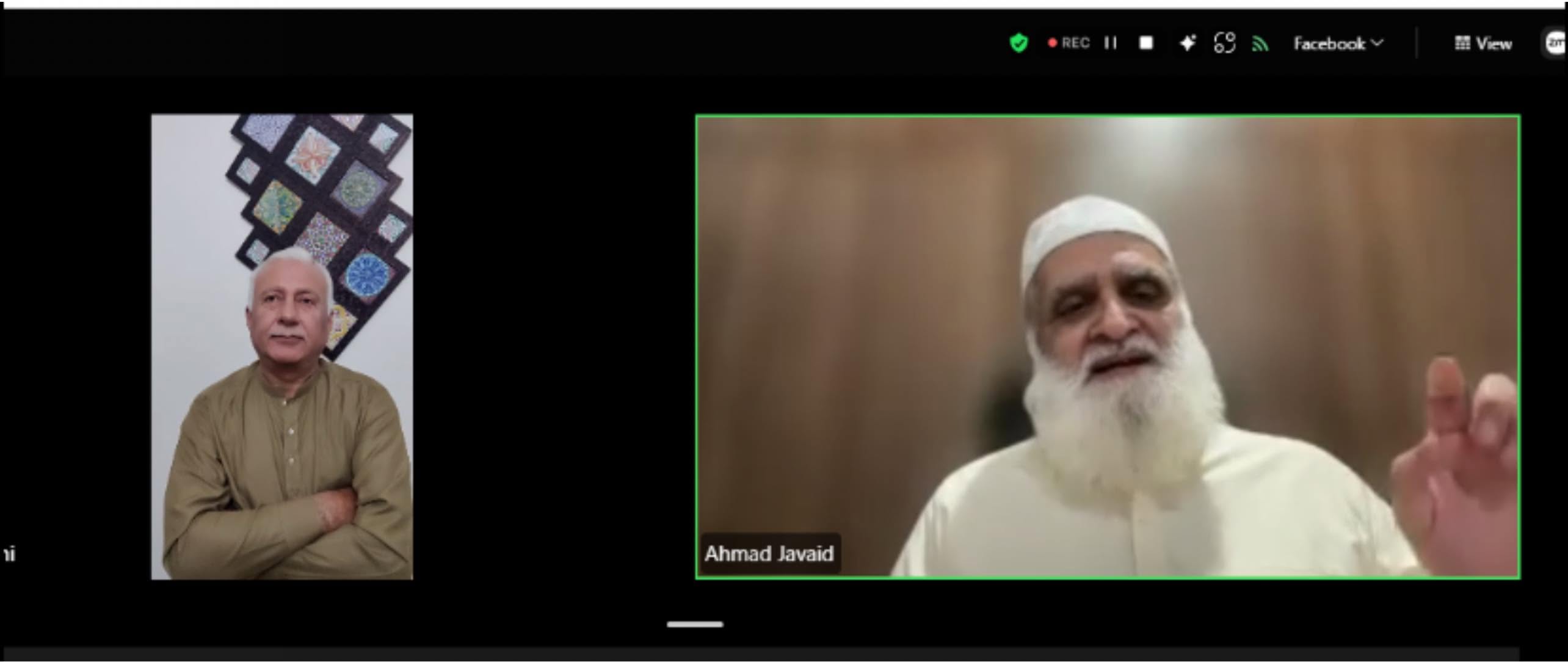
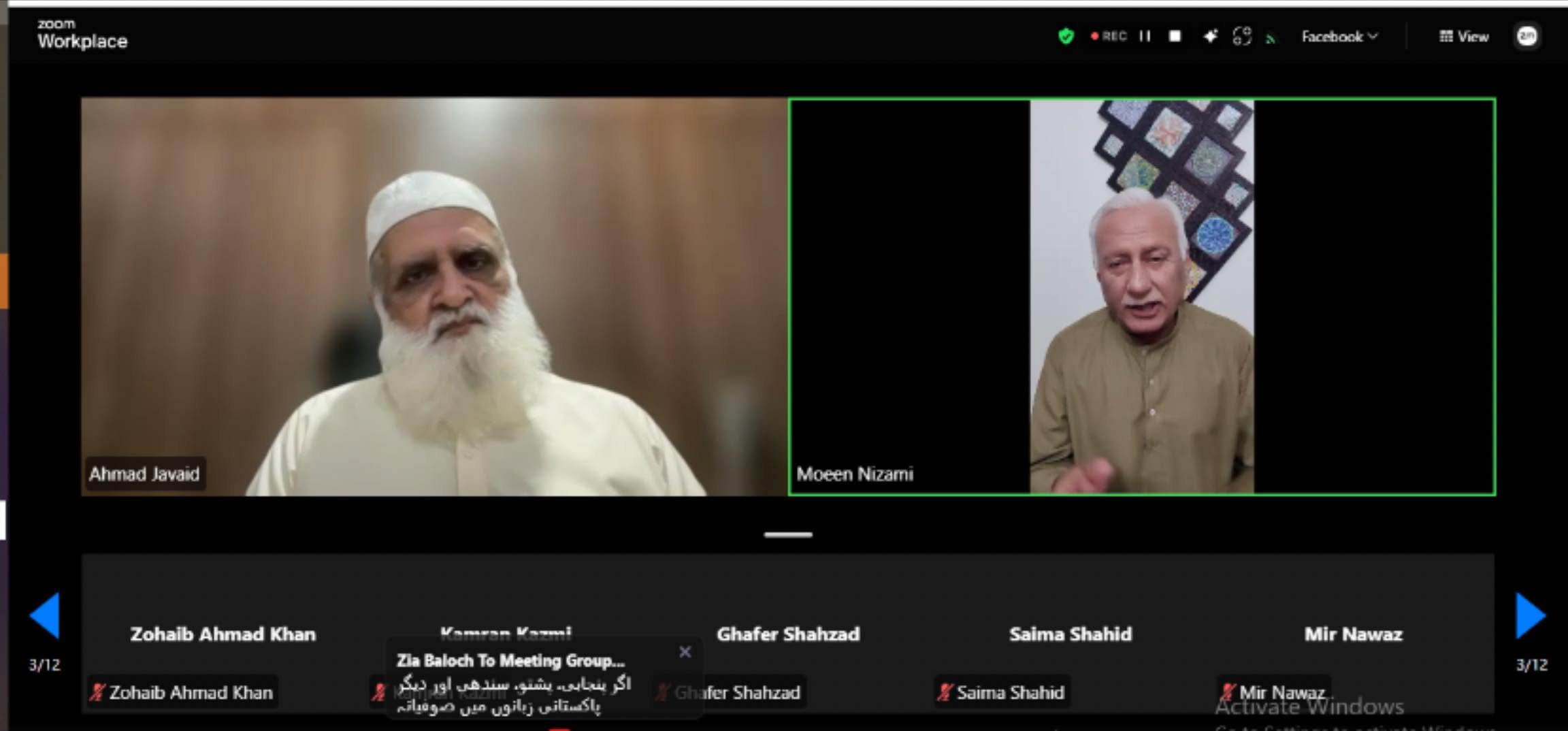
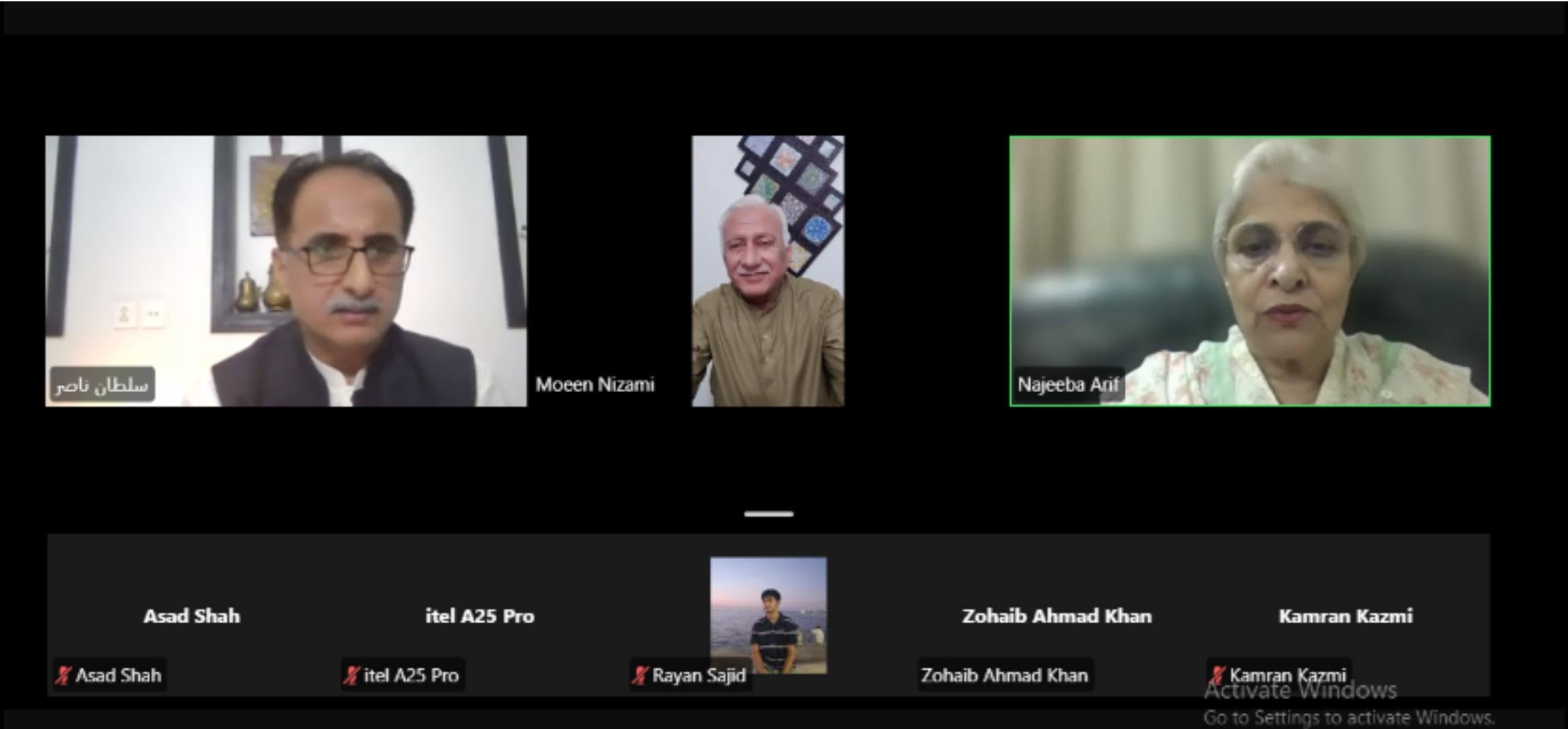
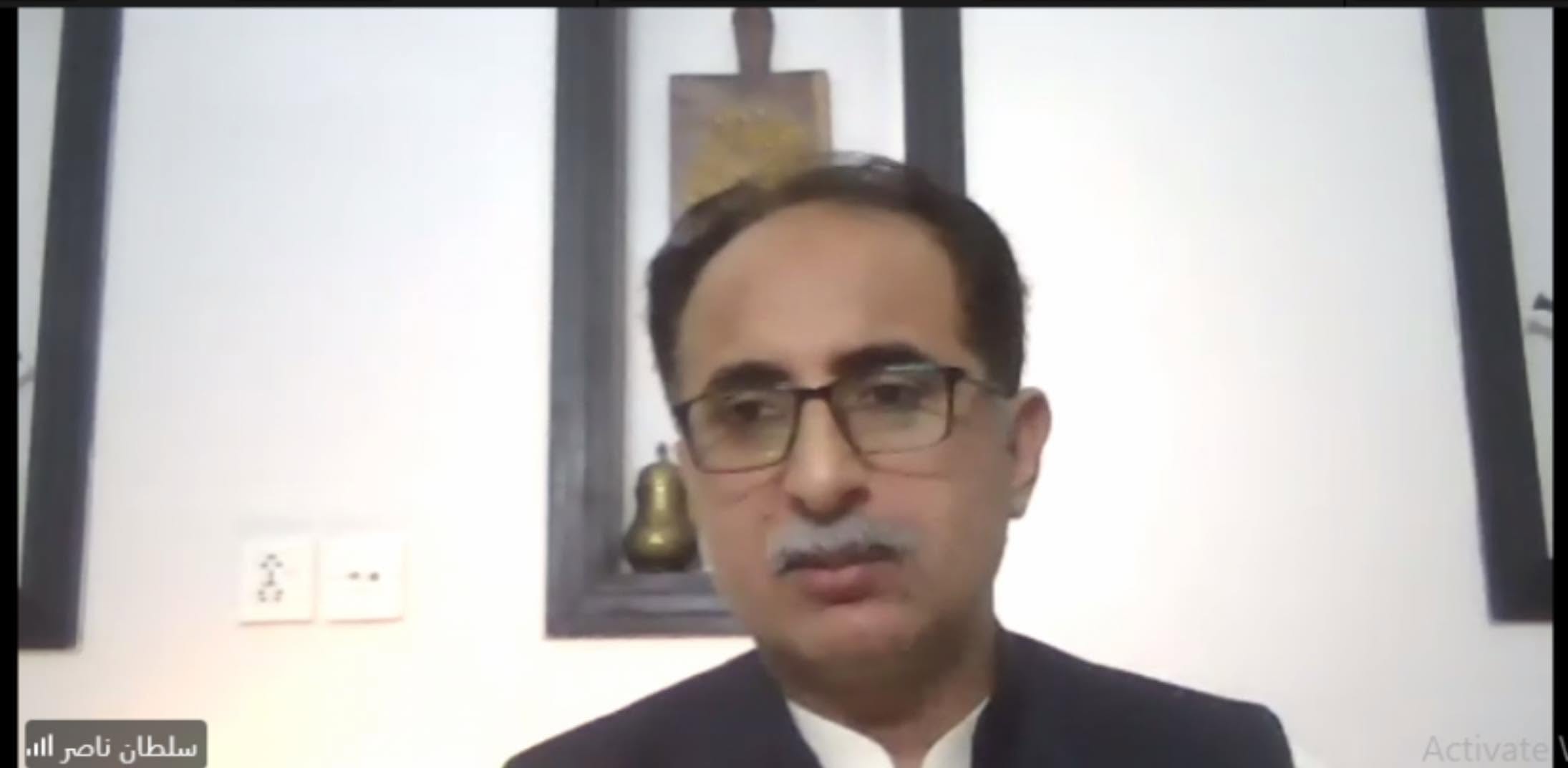
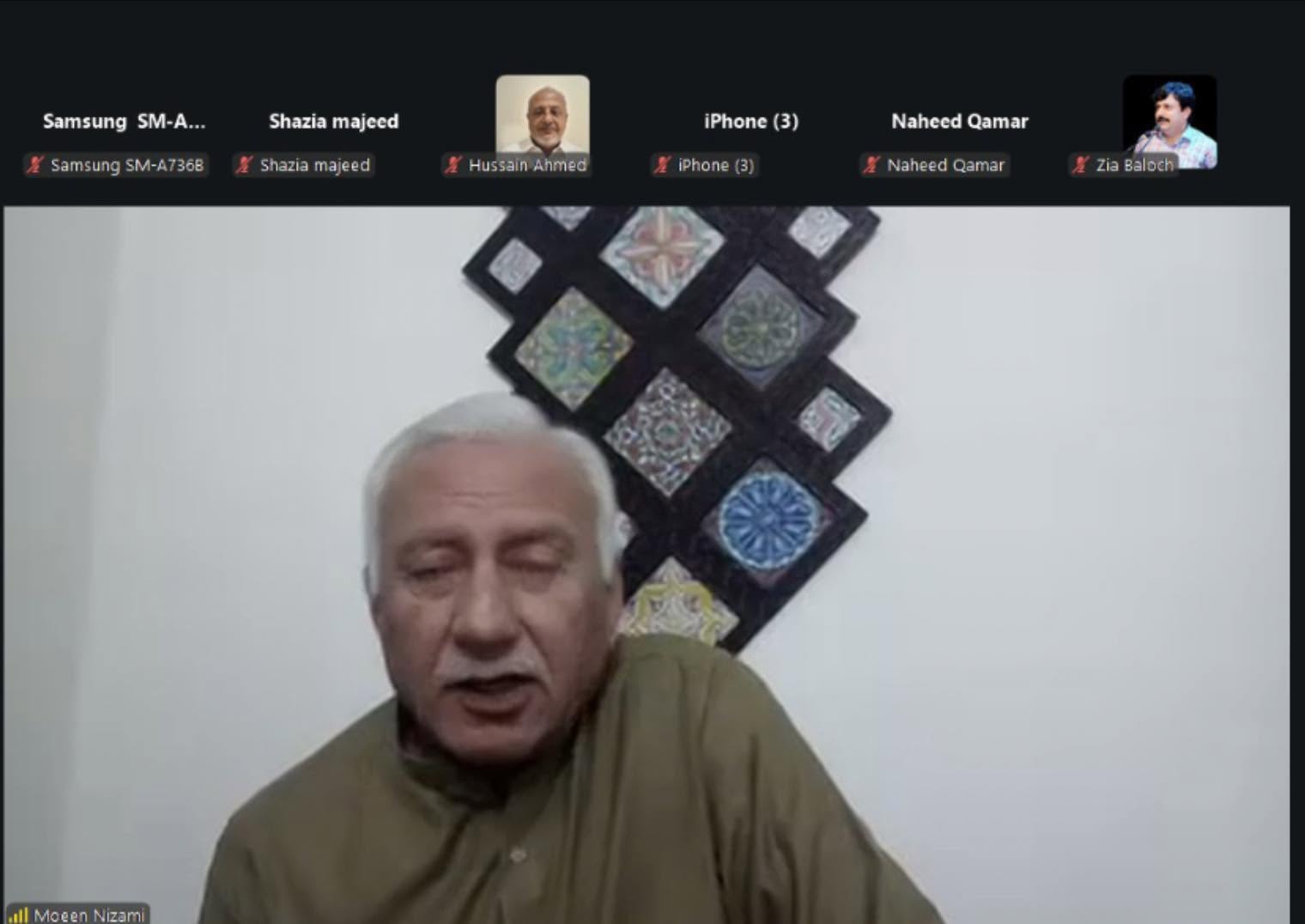
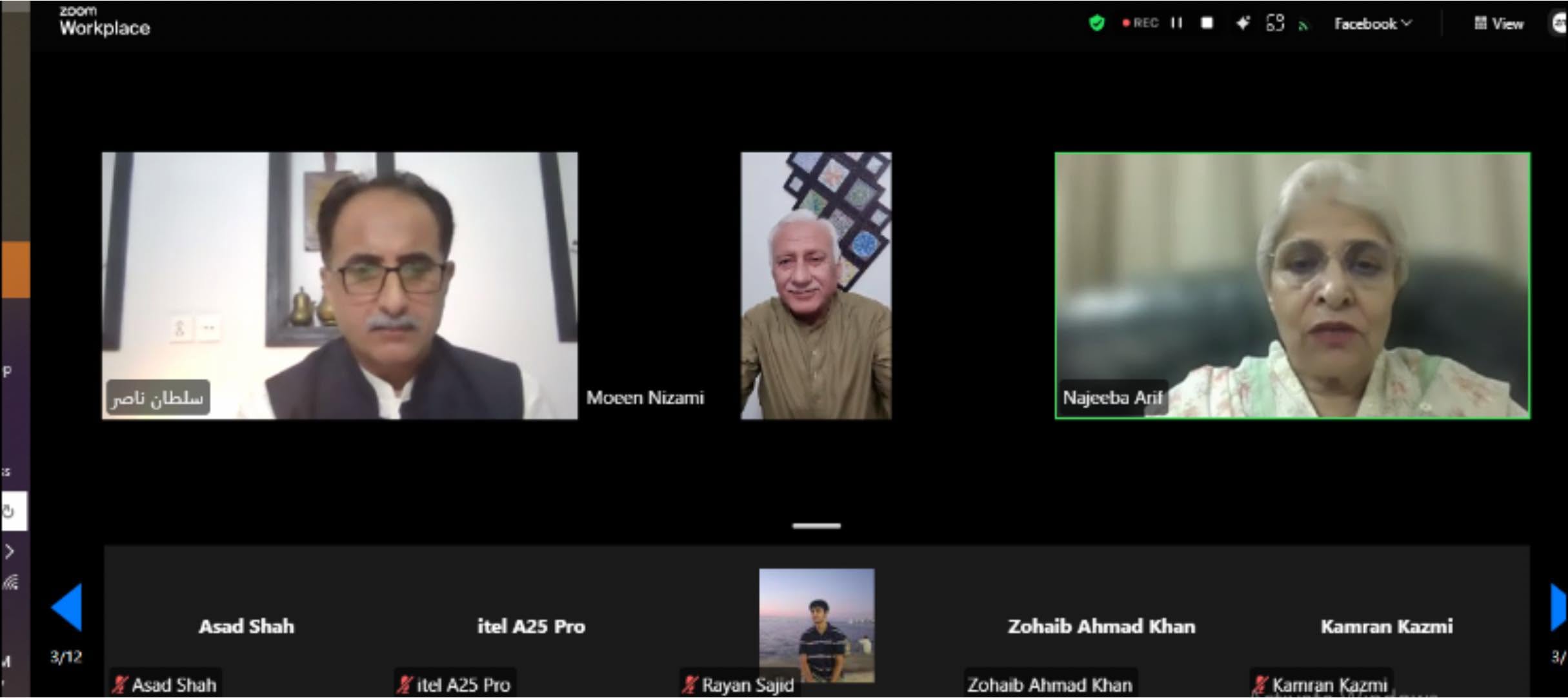
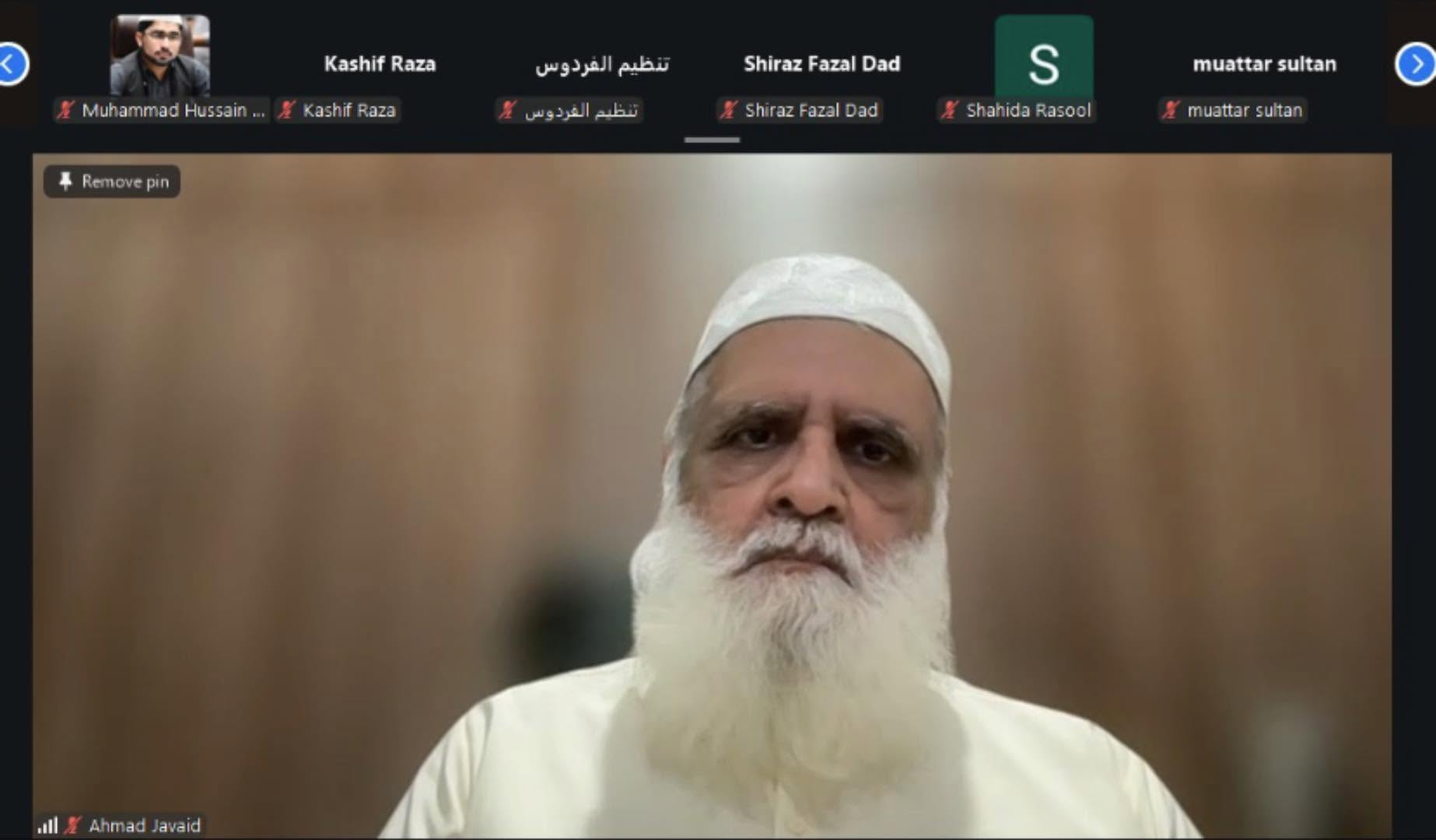
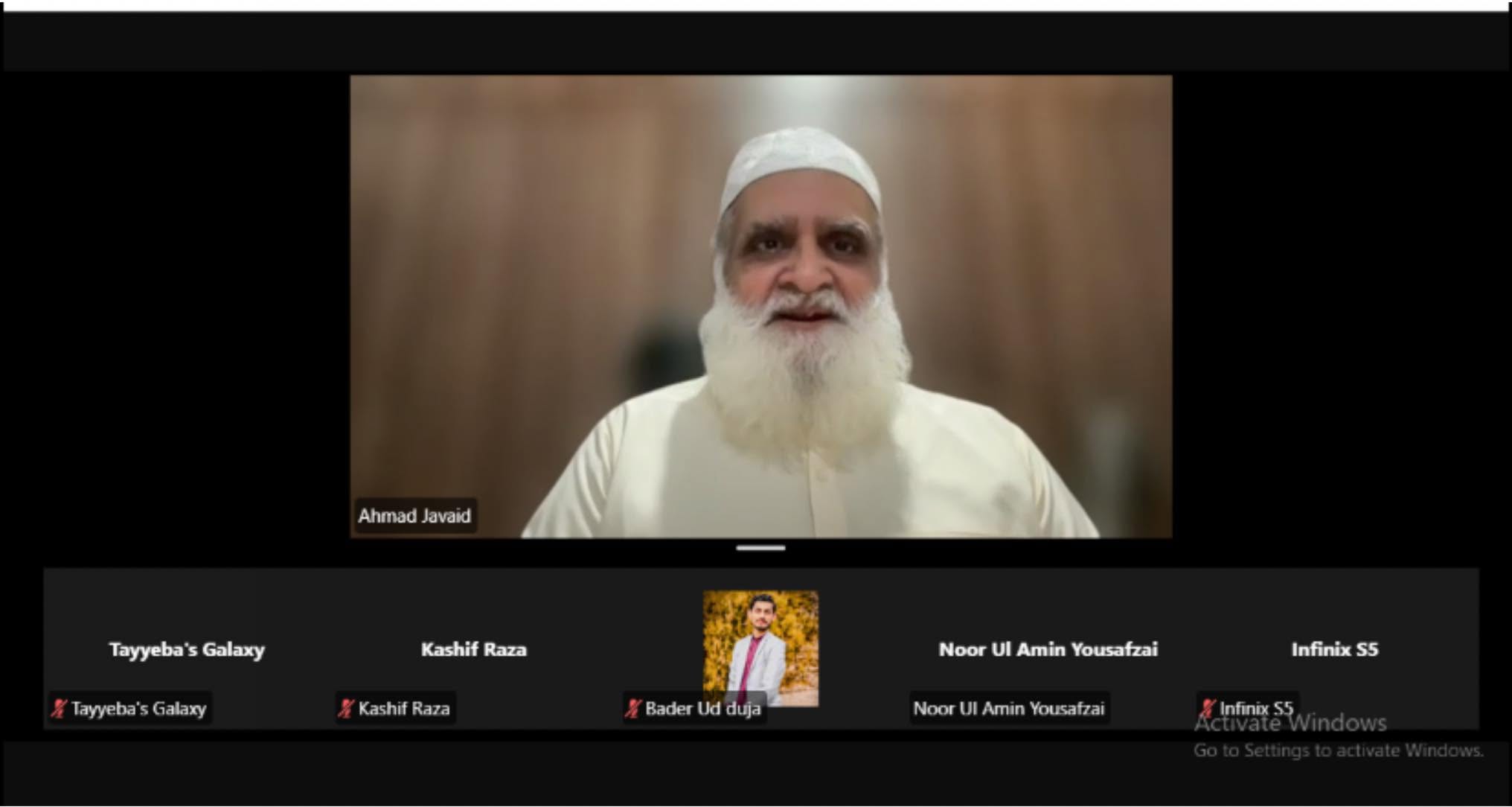
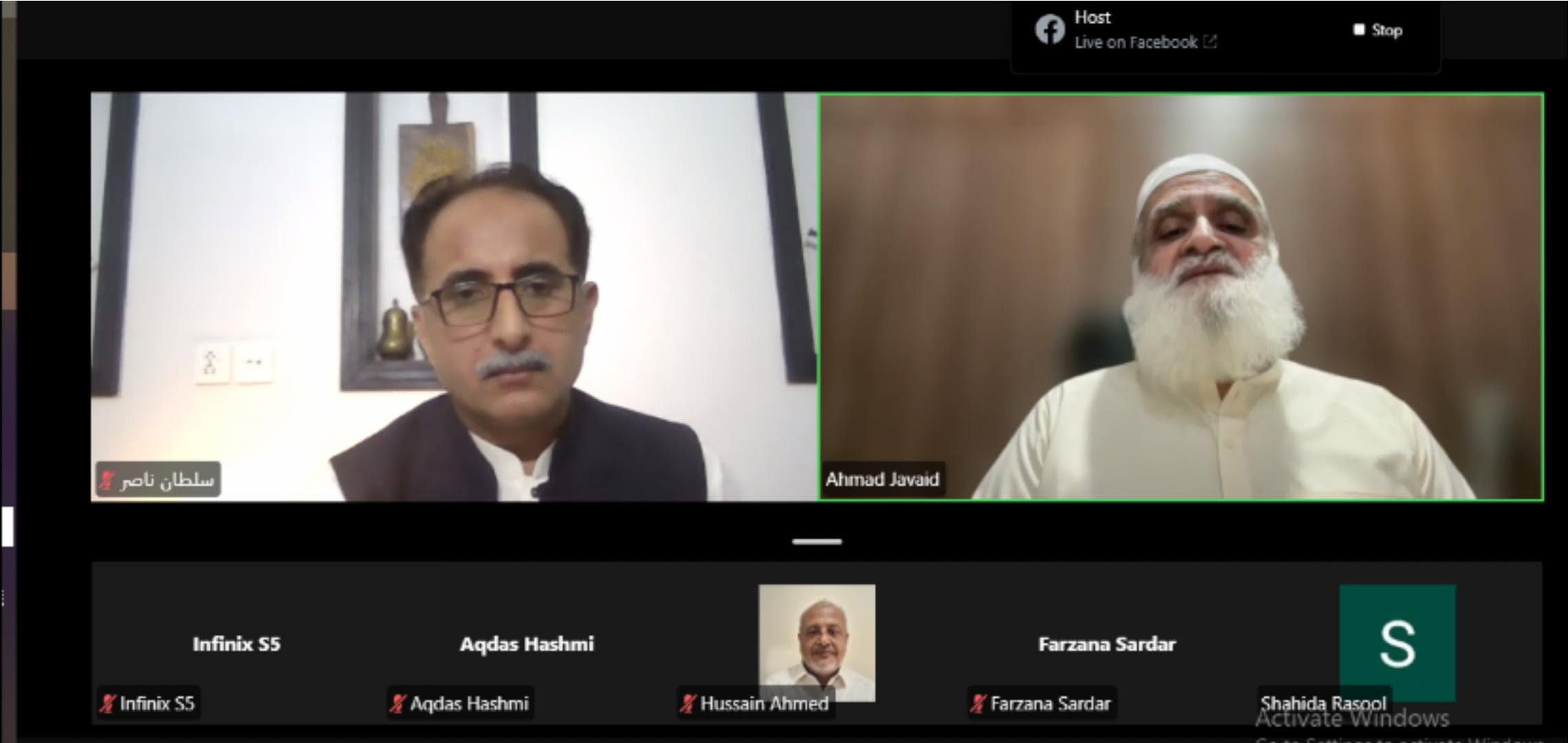
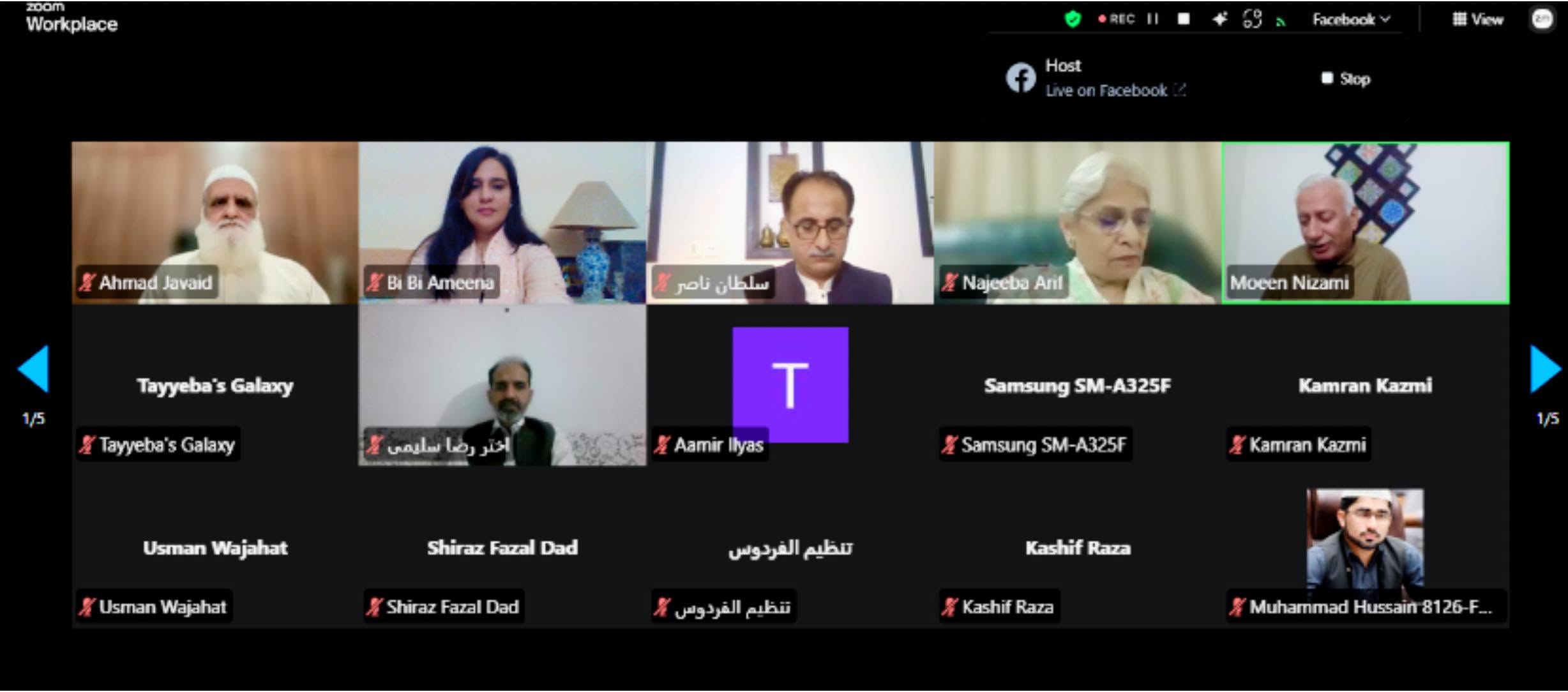
On this occasion, distinguished poet, writer, critic, researcher, and educationist Professor Dr. Moeen Nizami delivered the keynote lecture, while renowned poet, critic, and intellectual Ahmed Javed delivered the presidential address. The session was moderated by eminent poet, researcher, and former Director General of the Academy, Sultan Nasir.
In his lecture, Professor Dr. Moeen Nizami reviewed the historical and intellectual development of Urdu poetry and Sufism. He stated that Urdu literature has been deeply influenced by Persian language and literature. Referring to the contributions of Hakim Sanai, Sheikh Fariduddin Attar, Maulana Jalaluddin Rumi, Saadi Shirazi, Hafiz Shirazi, and Fakhruddin Iraqi, he noted that the ideas of these great poets and Sufi saints opened new dimensions in the poetic tradition of South Asia. He emphasized that languages and civilizations continuously influence one another, and Urdu poetry is also a result of such intellectual and cultural interaction.
Dr. Nizami further stated that Rumi’s Masnavi and other Sufi texts have long remained an important part of the religious and literary curriculum of the subcontinent. Similarly, in Punjabi literature, works such as Saif-ul-Malook and other Sufi tales played a significant role in shaping public consciousness and cultural values. He explained that Persian translations and literary traditions had a profound impact on the early literary heritage of Urdu. Early poets, including Wali Dakhni, made Sufism a central theme of Urdu poetry, while during the classical period Mir Taqi Mir presented Sufi thought with poetic elegance and artistic beauty. He added that Mirza Ghalib treated Sufism not merely as a subject but as an intellectual tradition and elevated it to a higher literary level.
Dr. Nizami also shed light on the Sufi dimensions of Allama Iqbal’s thought and poetry. He observed that Iqbal’s poetry is not merely a political or intellectual movement but is deeply rooted in spirituality and Sufism. According to him, Iqbal viewed Sufism not as a purely monastic tradition but as a means of reviving selfhood, divine love, and the inner strength of human beings. He highlighted Iqbal’s intellectual connection with Maulana Rumi, whom Iqbal regarded as his spiritual guide, thereby giving the Sufi tradition a modern intellectual form. He further noted that the themes of love, spiritual knowledge, and human development in Iqbal’s poetry continue the Urdu and Persian Sufi tradition and provided a new direction to the intellectual landscape of South Asia.
In his presidential address, Ahmed Javed stated that the literature of the subcontinent achieved its intellectual heights through Sufi thought. He explained that the true meaning of Sufism is not ritualistic discipleship but the purification of the inner self, moral development, and the pursuit of truth. He emphasized that the essence of Sufism lies in knowledge, love, tolerance, and humanism. Ahmed Javed also paid tribute to the scholarly and spiritual contributions of the renowned Sufi saint Zehin Shah Taji, describing him as one of the prominent intellectual and spiritual figures of his era.
During the concluding segment, participants, scholars, teachers, and students asked questions related to the topic, which were answered in detail by the speakers. The question-and-answer session was highly appreciated and was regarded as an important step toward promoting academic dialogue.
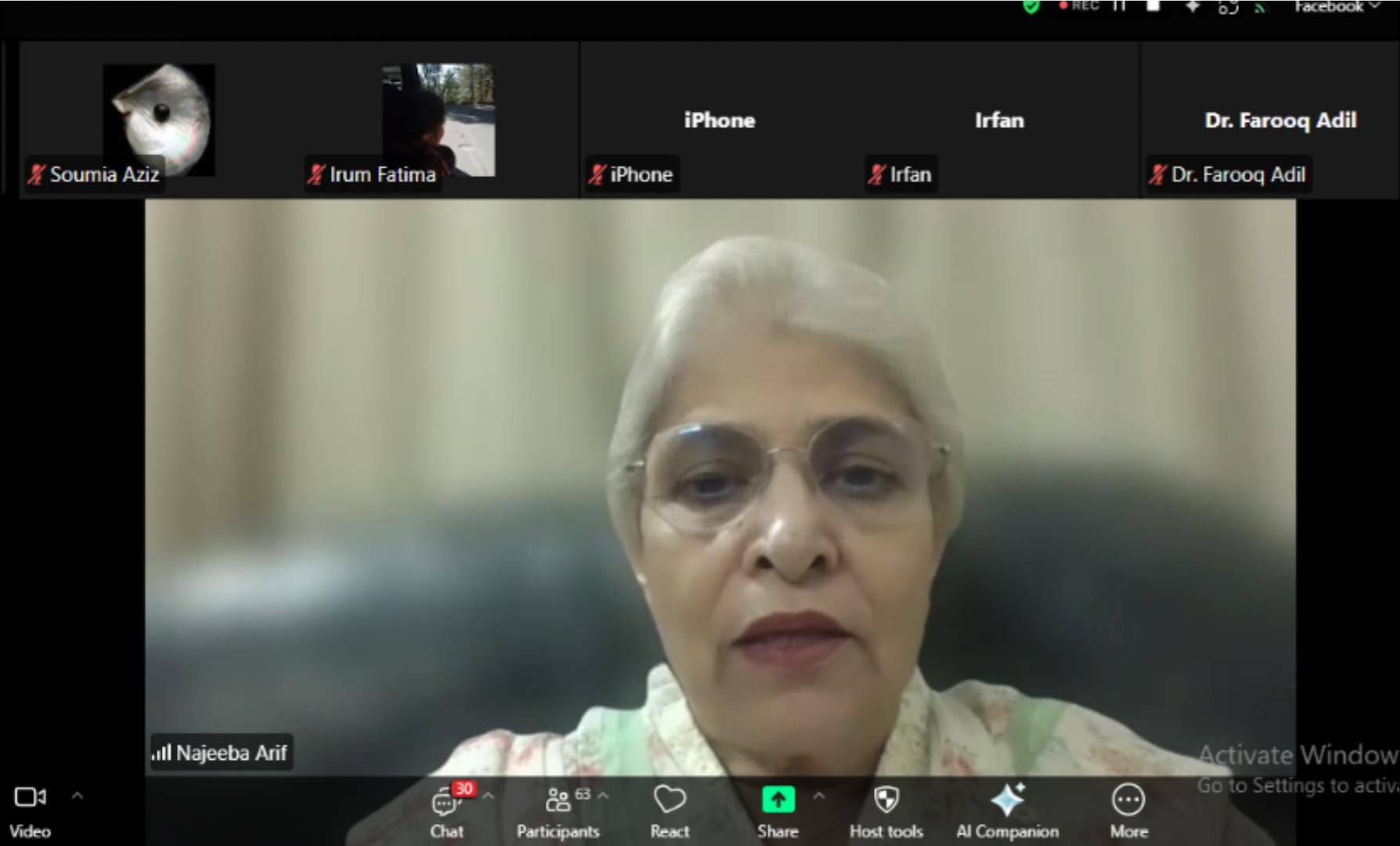
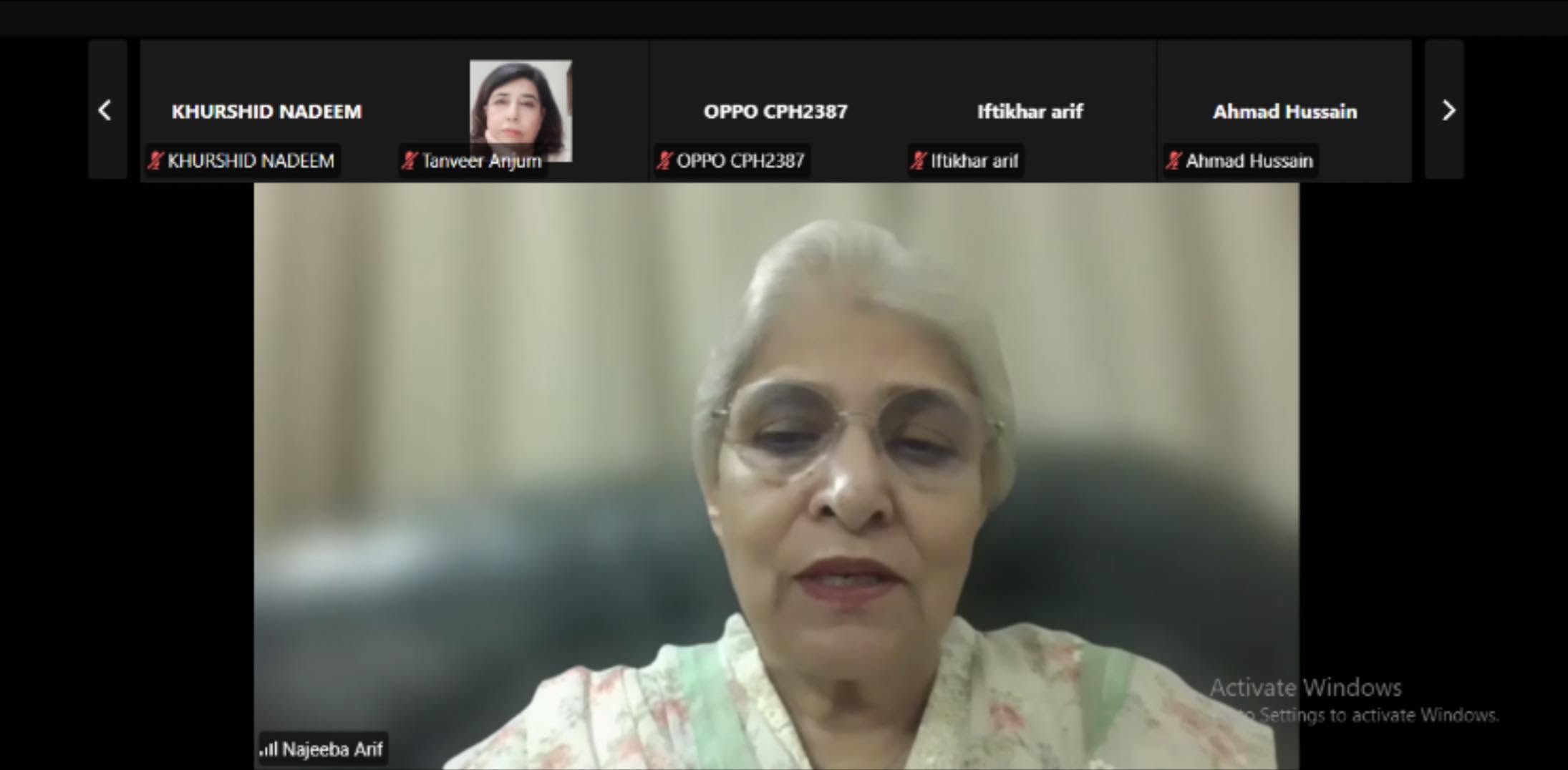
In her concluding remarks, Professor Dr. Najeeba Arif, Chairperson of the Pakistan Academy of Letters, stated that the Academy would continue organizing such programs to promote literary and intellectual discussions, encourage critical dialogue, and connect younger generations with classical and contemporary literary traditions. She thanked the speakers, guests, participants, and online audience and expressed hope that the series would continue to provide intellectual guidance to scholars and literary enthusiasts in the future.
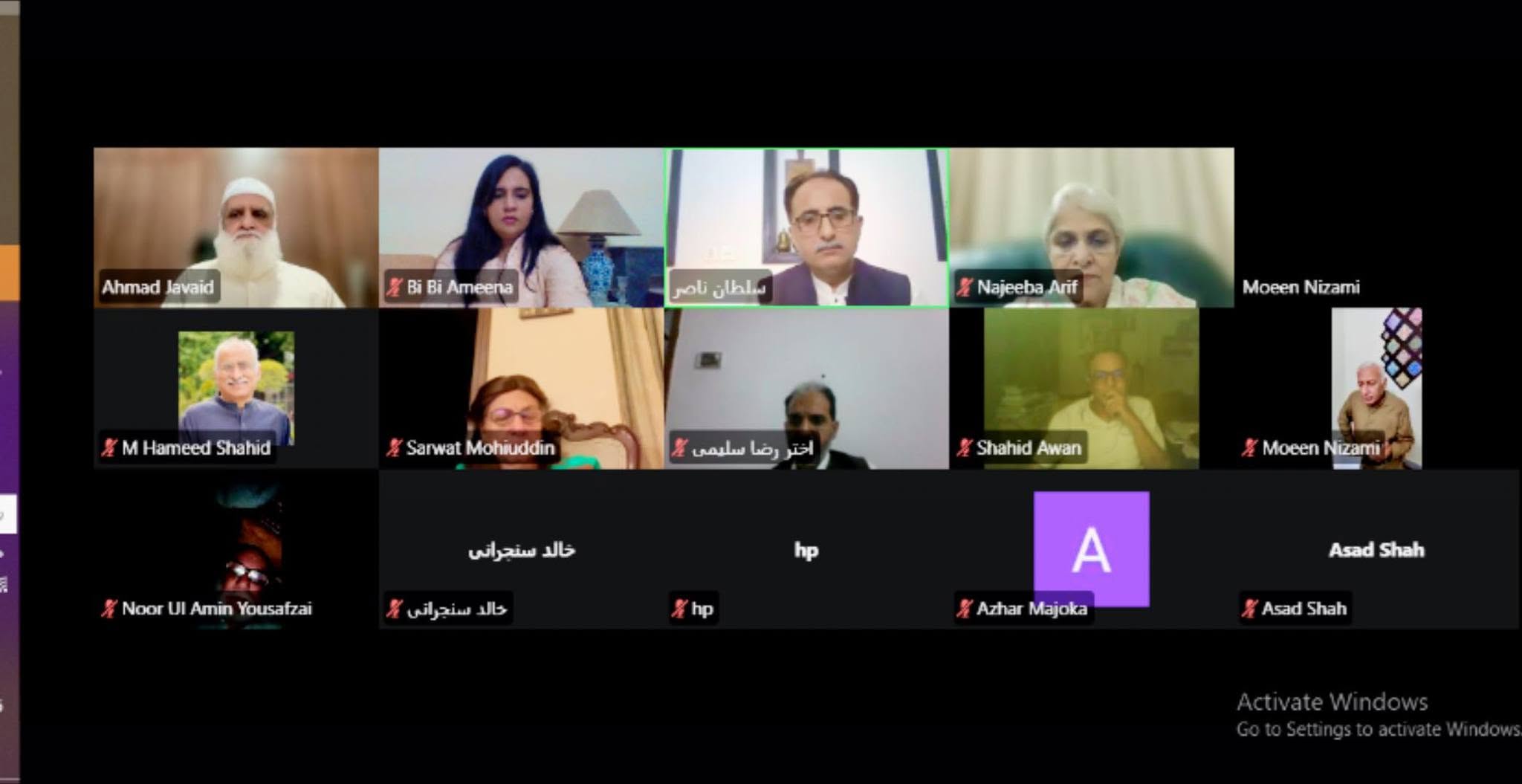
The online session witnessed active participation from scholars across all four provinces of Pakistan, as well as from abroad. International participants included Dr. Vafa Yazdan Manesh from Tehran and several scholars from India, including Ghaibi Jonpuri, giving the seminar an international character.
A large number of students from various educational institutions across Pakistan also attended. Teachers and students from Rawalpindi, Islamabad, Lahore, Karachi, Jhang, Peshawar, Government College for Women Haripur, and Gilgit-Baltistan actively participated and described the session as highly informative and beneficial.